About Us
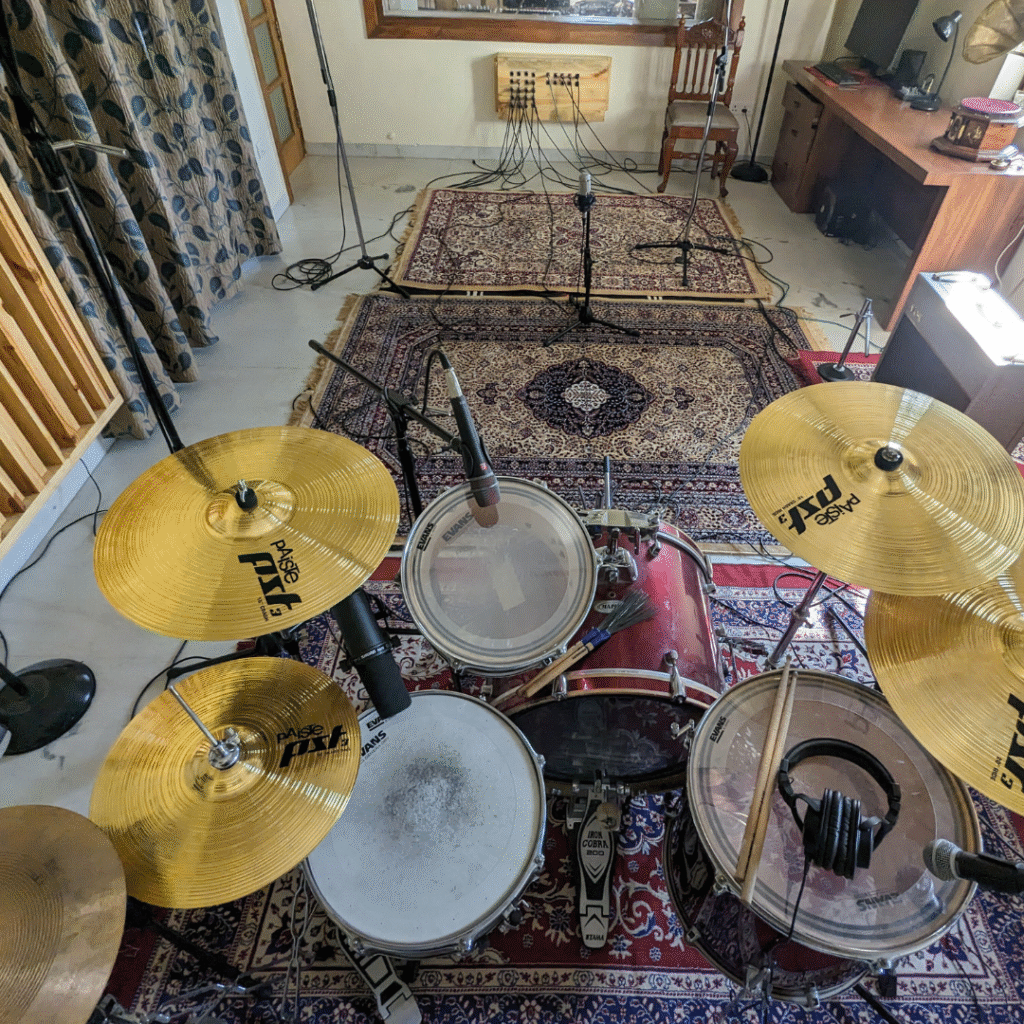
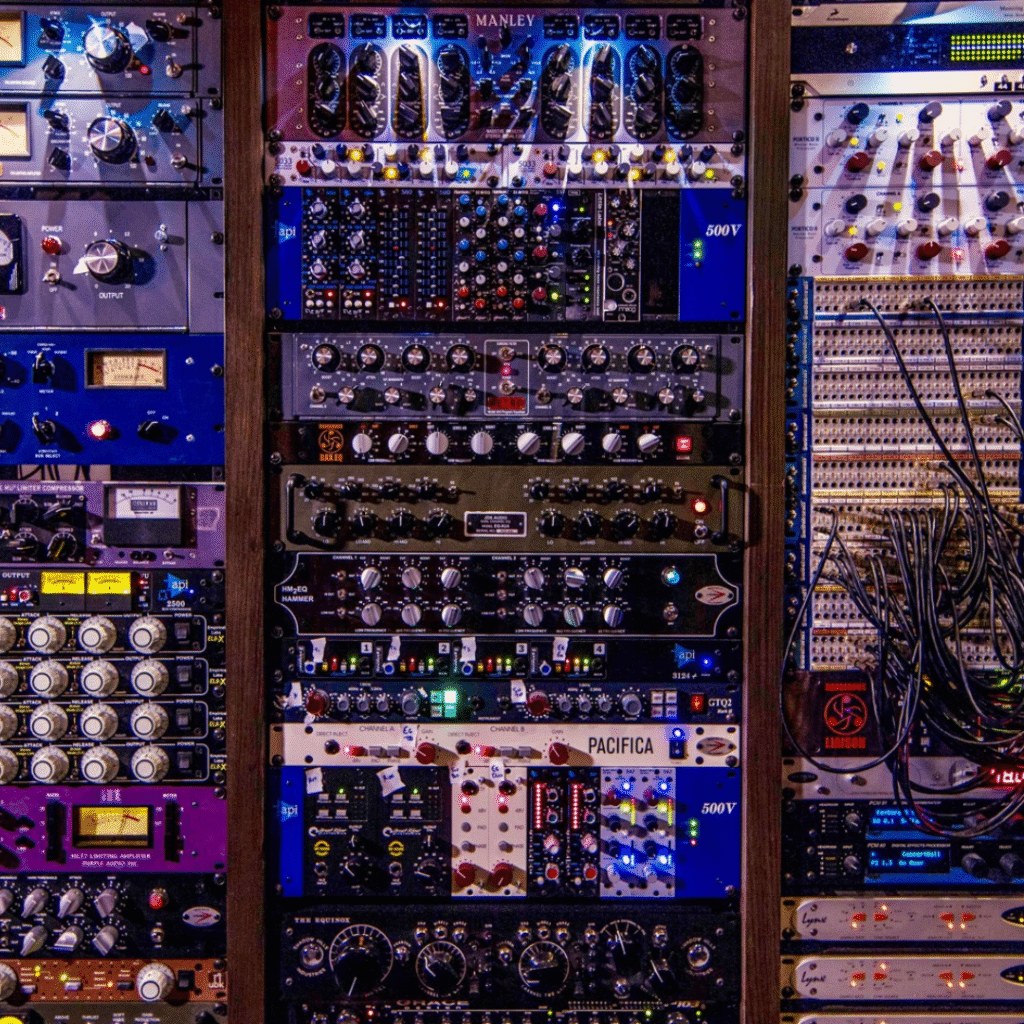
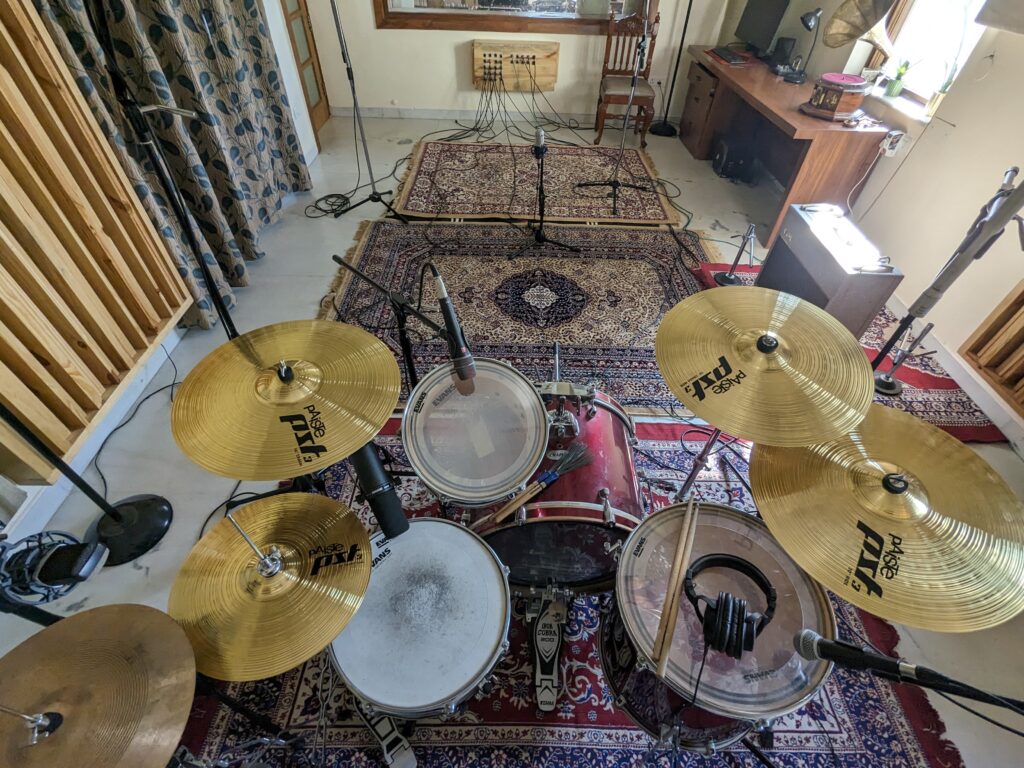
We are more than just a recording studio. We are a team of passionate engineers, producers, and creatives dedicated to capturing sound at its purest form. With cutting-edge equipment, acoustically treated rooms, and an unwavering commitment to quality, we provide a space where artists can truly thrive.
From solo musicians to full ensembles, podcasts to post-production, we work side-by-side with our clients to bring their vision to life – all in a studio environment designed for creativity, comfort, and clarity.
We believe great sound deserves to be heard. Explore our official Spotify playlist – Asli Studios Work – a curated collection showcasing the depth, diversity, and creativity of artists who’ve recorded with us.
This playlist features original music produced, mixed, and mastered within our studio walls. From heartfelt melodies to powerful instrumentals, each track reflects our commitment to sonic excellence.
Coming Soon
Skills
Our studio transforms your ideas into professional sound with expert engineering, top-tier equipment, and a creative space built for excellence.
Find everything you need to record, mix, and master your sound-all under one roof. From high-end gear to expert audio support, we’re here to bring your music to life.
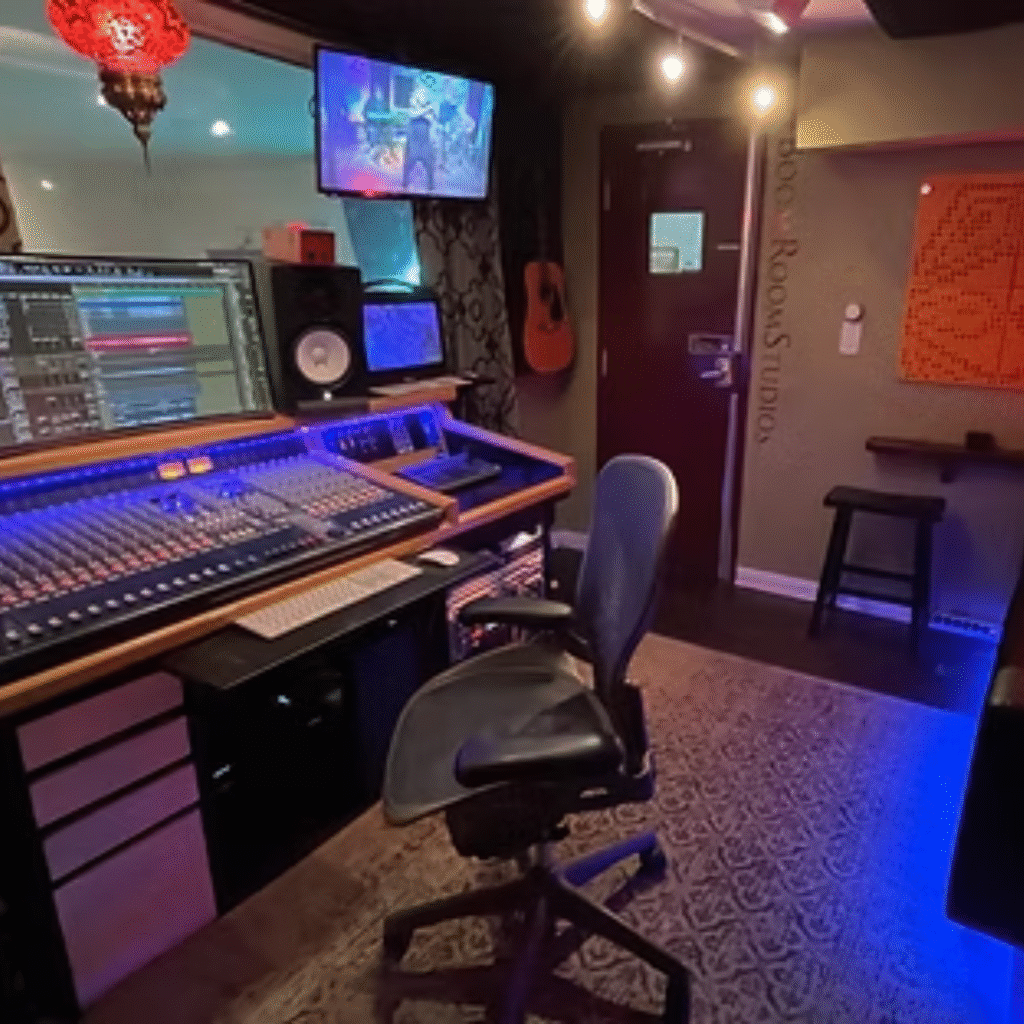
With top-notch microphones, preamps, outboard equipment, and software, Asli Studios Recording provides customers with a remarkable chance to produce competitive recordings. We advise clients to give us information regarding setup and goals prior to their session so that we can make the most of studio time. To be ready for a session and make the most of their time and money in the studio, we also advise clients to rehearse and arm themselves with information on the recording process (see below for a starting point).
It’s crucial to arrive ready. You can practice endlessly with a metronome, your band, or even by yourself! You’ll need to spend more time on takes and editing if you’re not prepared. Subpar performance can even make blending more difficult.
The more prepared you are, the better your recording will sound, and you’ll lose less time, and ultimately money, to your recording session. This can really add up, and if you’re prepared, you can instead spend more of your budget on merch, touring, and promotion.
We understand that Aslistudios can be a little confusing, especially for those who are recording music for the first time. With that in mind, we have compiled a list of recording studio vocabulary that you may find useful. By no means is this a complete list, but it may help you adjust to your first recording session.
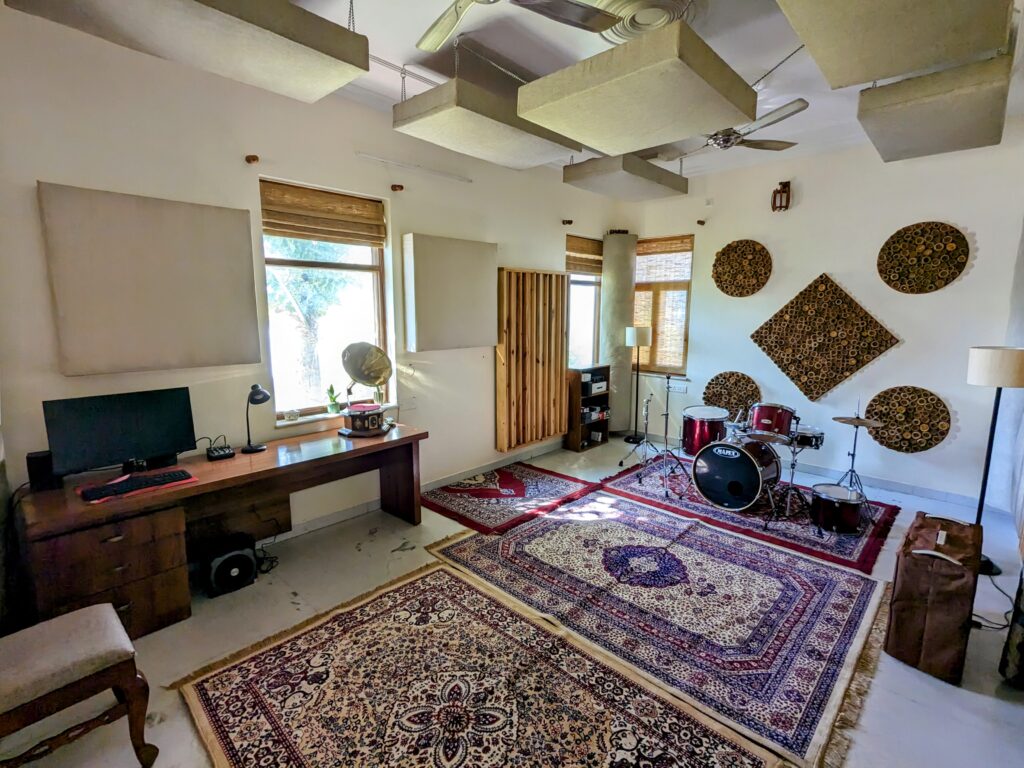
The majority of the magic takes place here, and the room’s noise level can significantly affect the recording.
Although our live room isn’t completely dead, it is intended to have a controlled sound. Whether it’s drums, strings, guitars, or anything else we put in here, we want it to sound like it’s in a room! A recording would lack depth if everything was completely dead, and we would have to put in more effort to artificially create the space using reverbs or other effects. A track truly has something unique when it has a great, towering ceiling like ours!
This is how you communicate with the audio engineer in the control room while you’re recording in other rooms. Since each room is designed to be acoustically isolated from every other room, we need to rely on microphones built into our monitoring system to communicate with you.
Audio slang for headphones
The term “punch” or “punch-in” refers to the replacement of previously recorded information by the recording engineer. Usually, a little portion of previously recorded content will be played back to you initially. The engineer will “punch you in” to the recording and start replacing the original content on the track/channel after you’ve found your location and started playing along. Although it was once a destructive and feared procedure, this phrase, which dates back to the days of tape machines, is now much more forgiving and effective.
One significant influence that regulates the dynamic range (volume) of recorded audio is compression. By reducing the sound level after the total volume beyond a certain “threshold,” it “compresses” the dynamic peaks and valleys of the audio input. The speed at which the compressor “attacks” the signal that has crossed its threshold can be adjusted using a variety of settings. Additionally, there are parameters to regulate how the compressor “releases” a signal when its volume drops below a predetermined level. If you are unfamiliar with this complex and subtle effect, it is preferable to leave it to your engineer.
Equalization is another crucial impact that regulates the audio’s frequency response. EQ helps attenuate undesired frequencies if recorded music sounds excessively bright or brittle, or too bass-heavy. Additionally, it can amplify appealing frequencies, such as the hefty mid-range of an electric guitar or the airy high end of a singing. EQs frequently provide the user the option to choose a wider band for a broad, smooth effect or a smaller range of frequencies to identify problematic resonances. Additionally, it can be very successful at eliminating some undesirable noises, especially low-end ones like rumbling (did someone hear the R train in the subway go by just now?). Perhaps the AC was the only cause.
“Comping” comes from the words “compiling” and “composite.” It has become the industry standard term to describe compiling a players multiple takes together into one composite take. This can improve the sound of a players performance on the recording. Let’s say a player has nailed the verse and bridge of a song, but they were rushing the chorus on a take. The band otherwise loves the sound of the take, so they just “comp” the take, swapping the rejected part with that of another take.
In this case, they replace the rushed chorus with the the chorus from the following take. This is a technique that has been since the early days of recording. Even the Beatles and Stevie Wonder benefited from compiling their favorite takes. While it used to require cutting and splicing tape, the modern era has made it much easier to sew different takes together.
This is the studio’s brain. The control room will serve as the workspace for the audio engineer. This room houses our speakers, tape machine, computer, and outboard equipment.
Iso booths are spaces used to keep an instrument acoustically isolated from noises that are concurrently occurring in the main room or rooms. They are typically smaller than the primary recording rooms.
Unwanted sound from one instrument that “bleeds” into, or is audible in, a microphone meant for another instrument is referred to as “bleeding.” If not foreseen or addressed, this can seriously harm a recording. When the vocal microphone is layered into the recording, for instance, the sound of the drum set may be adversely affected by the sound that has seeped into the vocal microphone if a microphone meant for the vocalist records a lot of sound from the cymbals and snare of a drum set played simultaneously. Allowing your engineer to resolve any bleed concerns during sound check is crucial.
The practice of superimposing freshly recorded audio over previously recorded tracks is known as an overdub. For instance, a band may decide to “overdub” a vocal, solo instrument, or ensemble playing in tandem with the previously recorded music after recording many instruments together. Instead of being used in place of one another, these components are intended to be layered together.
When an engineer uses the terms “play-lists” or “play-listing” in the context of modern recording, they frequently mean digitally storing and muting/hiding a take. This would be stored in a “playlist” for easy recall and use or reference at a later time. Therefore, don’t worry if you’re watching the engineer operate and you discover that your audio has completely vanished from the computer! In order to make room for a fresh interpretation, it has most likely simply been “play-listed” and put on hold for later.
“Dry” and “wet” refer to how affected a sound is. A pure 100% “wet” sound is the sound of only the effect. So if you hear only the reverb or modulation
effect applied to a track, it would be entirely wet. No direct signal from that lead guitar, just the epic space delay it’s been sent to. A 100% “dry” sound refers to a completely unaffected signal. This would mean nothing but that snare top microphone – no massive shotgun reverb to take it into the 80’s stratosphere. Typically, much of what you hear on a recording is a blend of both dry and wet signals of an instrument.
This website uses cookies to provide you with the best browsing experience.